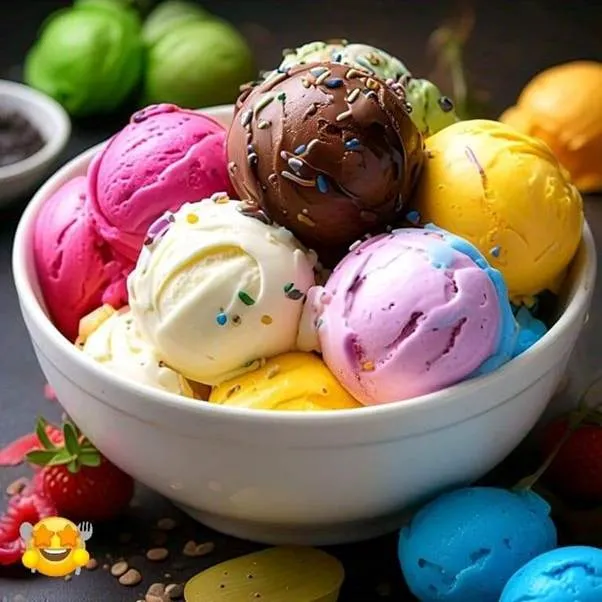
A scoop of ice cream gets judged before anyone tastes it. Pale pink suggests strawberry, deep green hints at pistachio, and a muddy shade makes people pause. That first glance is why food coloring for ice cream deserves as much attention as the base mix itself. Many makers also want less sugar in the same tub, which adds a second puzzle. This article looks at both sides, from keeping color steady in the freezer to keeping the texture soft and smooth.
Why Does Color Matter So Much in the Freezer Aisle?
Shoppers scan a freezer door, and color does most of the talking. It signals flavor, freshness, and even quality. That matters a lot on busy shelves. A dull strawberry tub can lose to a brighter rival even if it tastes better. Natural pigments suit this job well, but they need a plan. Dairy is a mild, creamy base that can mute some shades, so the dose you would use in a clear drink will rarely match what a milk-based mix needs.
How Does Freezing Treat a Pigment?
Freezing is gentler than baking, yet it brings its own quirks. Ice crystals scatter light and can make a shade look paler once the mix hardens. Many makers add slightly more color than the liquid base seems to need, then judge it after the batch is frozen solid. Long storage matters too, because repeated warming and refreezing during shipping can slowly dull a pigment. Test the finished tub after a few weeks, not just on production day. Patience pays off here.
What About Fruit Swirls and Sauces?
Ripples, sauces, and fruit pieces behave differently from the base. They are usually more acidic, and acid can push some natural reds toward pink or orange. Chocolate coatings and cookie bits bring fat and sugar into the mix. Color each component on its own terms rather than forcing one pigment through the entire tub. A swirl that holds its red while the base stays creamy white looks far more appealing than a blended, blurry pink. Small details like that sell the product.
Can You Cut Sugar Without Ruining the Scoop?
Sugar does more than sweeten ice cream. It lowers the freezing point, which keeps the texture soft and scoopable. Simply removing it leaves a hard, icy block. This is where allulose gets attention. It is a rare sugar, about seventy percent as sweet as table sugar, with very few calories, and it similarly softens frozen desserts. If you are shortlisting an allulose manufacturer, ask for samples and run them in your own base before placing any bulk order.
What Changes When Allulose Meets Heat?
One thing to remember: allulose browns faster than regular sugar when it is heated. In a plain vanilla mix, that rarely matters, but it can add a toasty tint to cooked custard bases or baked inclusions such as brownie chunks. That brown cast might clash with a delicate pastel color. Plan your base cooking temperature with this in mind, or add the color after the heated stage. A short test batch will show you the effect. It is better to know early.
A Pairing Worth Testing
Color and sweetener choices influence each other more than people expect. A slightly toasted base changes how a pale green or yellow reads. A sweetener that lowers the freezing point also changes how fast the tub warms in a scoop shop. So test them together, not separately. Make one control batch with your current recipe, and one with the new sweetener and pigment. Compare them side by side, under the same lighting a customer would see. Those little differences add up quickly.
Scaling From Kitchen to Factory
Small trials in a home-size machine rarely behave like a full production line. Mixing times, pump speeds, and holding temperatures all differ. Before you commit, ask your ingredient partners about dosage ranges at industrial scale and whether they offer powders or liquids that suit your equipment. Keep a record of every pilot. A tidy notebook will save you from repeating mistakes, and it makes the handoff to the plant team much smoother when the recipe finally goes live. Nobody enjoys rework.
Sweet and Colorful, Together
A great frozen dessert pleases the eye first and the tongue second, and both depend on careful ingredient choices. Think about dairy, acid, freezing, and sugar levels as one connected system. Nothing here is complicated once you break it into small, testable steps. When you are ready to test colors and sweeteners side by side, the team at foodrgb.com offers samples and formulation support for both. Start with one flavor, learn from it, and then expand the lineup with confidence.