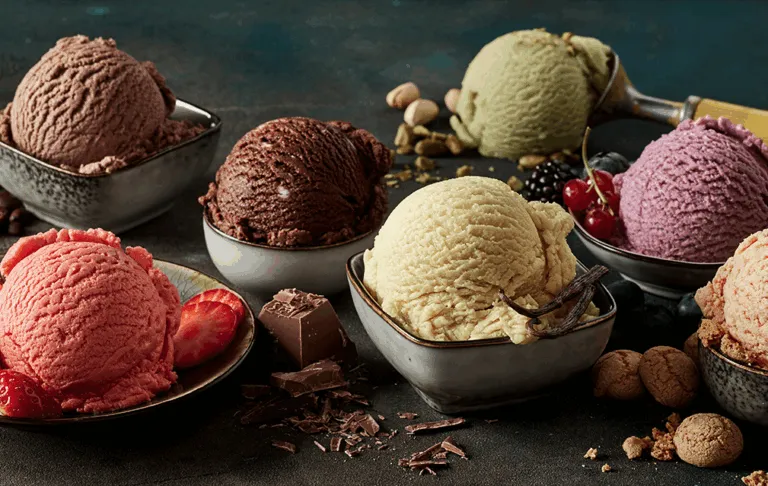
Food brands now focus heavily on visual appearance because customers notice colors before tasting products inside stores. Ice cream Colour plays an important role in frozen desserts, especially all through product releases anywhere in the season. Manufacturers often examine special colors carefully, because melting conditions can additionally trade off the problem of a completely final appearance later. Strawberry flavors typically call for softer pink tones, while mint items often use a soft, untasted variety. Visual consistency issues arise strongly when shoppers robotically associate product colors with expected taste reports.
Candy Products Depend Strongly on Vibrant Visual Presentation
The confectionery business is heavily based on appearance, as colorful products regularly tempt immediate patron interest when purchased. Candy food coloring allows manufacturers to create ambitious sunscreens with gummies, hard goodies, marshmallows, and striped candies without difficulty. Some groups take a stand on naturally produced elements while others insist on the use of synthetic alternatives for brighter results. Temperature and humidity levels affect the color of the candy at some point in production, followed by long garage intervals. Manufacturers are very interested in product compatibility due to the fact that volatile dyes can later form a pool of volatile products.
Frozen Desserts Need Stable Shades During Temperature Changes
Cold storage conditions are influenced by a wide range of fashionable performance factors, corresponding to product additives as well as grease material and textile additives. Glazed materials should remain visibly in equilibrium even after repeated applications of professional freezing and thawing. Dairy products react differently when compared to plant-based frozen desserts at the whole product level. Some herbal sunshades slowly fade under shop lighting, while others retain more powerful depth with propagation failures. Packaging design also influences how today’s customers perceive frozen candy bars and indoor supermarkets.
Manufacturers Experiment With Softer And More Natural-Looking Tones
Consumer choice has changed dramatically, as synthetic search colors are no longer suitable for every purchasing agency. Many brands are now scaling back the most vibrant sunshades, moving towards softer product looks to gain wider acceptance. Dessert paint suppliers have additionally added primarily plant-based options as purity labels have recently gained prominence throughout the food industry. Fruit extracts, vegetable concentrates, and botanical colors are now found in many confectionery products in-house globally. Ingredient sourcing discussions also became more visible through online marketing campaigns and product advertisements lately.
Product Developers Test Shades Across Different Lighting Conditions
Retail lighting affects how frozen desserts and candies appear inside stores during regular shopping hours daily. Some shades look attractive under natural light but slightly different under strong commercial display systems later. In ice color testing, organizations typically cover a couple of storage and lighting environments before fully finalizing the packaging design. Product developers carefully compare the color result because visual presentation significantly influences consumers’ expectations. Even small shape variations can affect repeat purchases in fantastically aggressive candy markets everywhere.
Ingredient Selection Depends on Manufacturing Requirements and Shelf Goals
Production methods strongly influence which coloring ingredients companies choose for commercial food manufacturing operations worldwide. Confectionery ingredients need to continue through all heating, molding, coating, and packaging strategies at some point in the manufacturing cycle. Powder codecs simplify transport occasionally, while liquid concentrates assemble rapidly during the course of large-scale production activities. Expectations about shelf availability also have an impact on release choices, because different advertising can also, sooner or later, create great choices for useless products. Manufacturers look at consistency, winning resources, production performance, and accuracy of finished products before launching them.
Conclusion
Food colors remain extremely important because visual presentation strongly shapes customer expectations before tasting products. foodrgb.com shares useful information for businesses exploring ingredient options related to dessert and confectionery manufacturing applications today. Ice cream color continues evolving through improved formulations and changing consumer preferences toward more balanced product appearances everywhere. At the same time, candy food coloring remains essential for creating recognizable confectionery products across competitive retail environments globally. Businesses planning future sweet product development should carefully review ingredient stability, processing compatibility, and long-term visual performance before scaling commercial production.